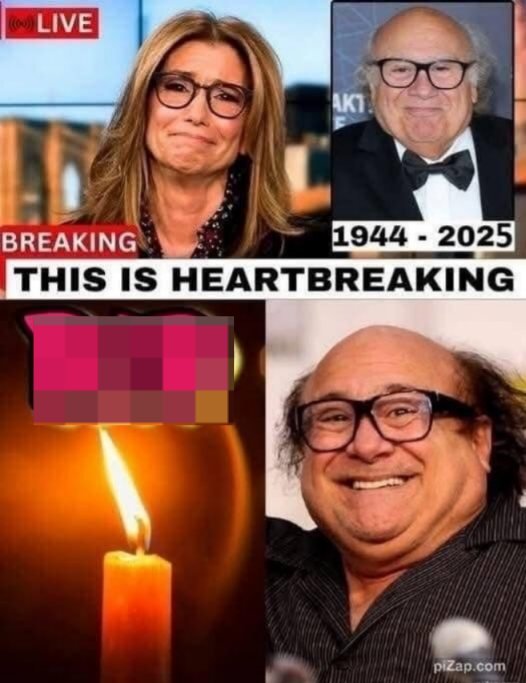
The Viral Post That Fooled the Internet
If you use Facebook or WhatsApp, you may have recently seen a shocking message:
“10 minutes ago / R.I.P TV icon Danny DeVito, Goodbye Danny DeVito.”
The post spread quickly. Thousands of users reacted, shared condolences, and forwarded it to friends and family.
But there was one problem:
The news wasn’t real.
Danny DeVito had not been reported dead. The message was a classic example of a celebrity death hoax — a type of fake news that appears online every year.
What Is a Celebrity Death Hoax?
A celebrity death hoax is a false rumor claiming a famous person has died.
These rumors are usually posted on social media to gain attention, clicks, followers, or ad revenue.
They follow a very predictable format:
- “10 minutes ago”
- “Breaking news”
- No source mentioned
- No link to a real news website
Because celebrities are well known, people react emotionally and share without checking.
Why People Believe It So Fast
There are three main reasons:
1. Shock Value
When people read sudden news about a famous actor, they react instantly. Emotional content spreads faster than normal information.
2. Social Proof
If many people are sharing it, users assume it must be true.
3. Urgency
The phrase “10 minutes ago” creates panic and pushes people to forward the message quickly instead of verifying it.
The Real Problem: Misinformation
While some think these posts are harmless, they actually cause real issues:
- Fans become distressed
- Family members of celebrities receive unwanted messages
- False information spreads rapidly
- Trust in real news decreases
Fake posts travel faster than verified news because they are designed to trigger emotions.